

How Seasonal SEO Campaigns Can Boost Spa Bookings
Oct 26, 2026


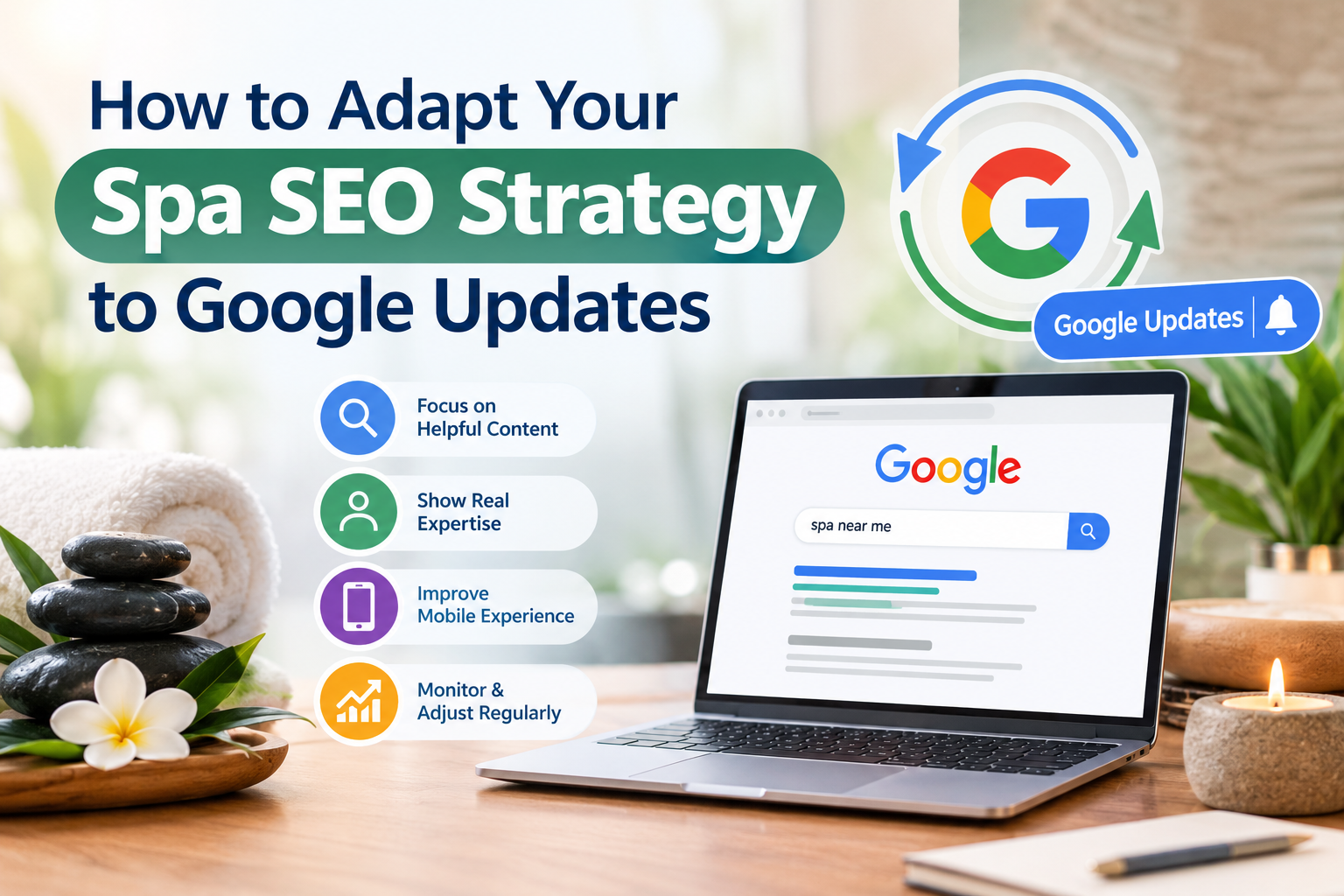
Google regularly updates its search systems to improve the quality and relevance of results for users. These changes can influence how spa websites appear in search results, making it important for spa owners to review their SEO strategies and respond to changing search requirements. A website that performs well today may need improvements tomorrow as customer behavior, competition, and search technology evolve.
Adapting your SEO strategy does not mean changing everything whenever Google announces an update. Instead, the goal is to maintain a helpful, accessible, trustworthy website that meets customer needs. With a consistent approach, spa businesses can protect their online visibility, attract relevant visitors, and create more opportunities for bookings.
The first step is understanding when Google changes its search systems and what those changes may mean for your website. Follow the official Google Search Central blog and documentation for reliable information about algorithm updates, content quality, technical requirements, and search best practices.
Avoid making immediate changes based on rumors or unverified advice. Search rankings can fluctuate for several reasons, including competitor activity, seasonal demand, and website changes.
A well-planned Spa SEO Marketing strategy focuses on long-term improvements instead of reacting to every ranking fluctuation. Monitor your website’s performance and investigate meaningful changes before deciding which actions to take.
Google aims to present content that genuinely helps users. Spa websites should therefore provide accurate, informative, and original content rather than publishing articles solely to target keywords.
Create service pages that explain your treatments, expected experiences, pricing where appropriate, and booking procedures. Your blog can address common customer questions about massage techniques, skincare routines, relaxation treatments, and wellness services.
For example, an article about preparing for a facial should provide practical advice instead of repeating generic information found across numerous websites.
Review existing pages regularly to identify outdated details, missing information, and unnecessary repetition. Update content when you can add meaningful value, and avoid making superficial changes simply to appear fresh.
A positive user experience remains an important part of maintaining a competitive website. Visitors should be able to find treatment information, explore service options, and book appointments without unnecessary effort.
Start by testing your website on smartphones, tablets, and desktop computers. Check whether menus work correctly, text is readable, booking buttons are easy to find, and contact forms function properly.
Page speed also matters. Compress oversized images, remove unnecessary scripts, and review hosting performance to reduce loading delays. Use Google’s PageSpeed Insights to identify technical improvements and monitor Core Web Vitals.
Effective Spa SEO Marketing connects search optimization with customer convenience. A website that provides a smooth browsing experience makes it easier for potential clients to take the next step.
Local search visibility is particularly important for spas serving specific neighborhoods or cities. Google Business Profile optimization, accurate business information, and relevant local content can help customers discover nearby services.
Ensure your business name, address, telephone number, operating hours, and website link are accurate across important online listings. Keep your Google Business Profile updated with relevant services, authentic photographs, and current information.
Encourage satisfied customers to leave honest reviews and respond to feedback professionally. You can also create useful location-specific website content that explains your service area and helps visitors understand how to reach your spa.
Avoid creating multiple low-value location pages or using unnatural keyword repetition. Local content should serve a real customer need.
Technical problems can prevent search engines from accessing or understanding important pages. Regular website audits help identify issues before they cause lasting difficulties.
Use Google Search Console to review indexing reports, sitemap status, search performance, and Core Web Vitals information. Check for broken links, incorrect redirects, duplicate pages, and accidental crawling restrictions.
Make sure important service pages are linked through clear website navigation and included in your XML sitemap where appropriate. Review canonical tags and robots.txt settings carefully, especially after website redesigns or platform updates.
Technical maintenance supports a reliable website and helps search engines discover relevant content more efficiently.
When rankings change after a Google update, avoid relying on assumptions. Review your website data to identify which pages, keywords, and traffic sources have been affected.
Google Search Console can show changes in impressions, clicks, search queries, and average positions. Analytics tools can help you understand visitor engagement and actions such as appointment requests.
Compare performance across relevant periods and consider seasonal trends before drawing conclusions. For example, a decline in searches for a particular treatment may reflect changing customer demand rather than an algorithm problem.
A data-driven Spa SEO Marketing approach allows you to prioritize improvements based on actual evidence. Focus first on pages that have lost meaningful traffic or fail to convert visitors into inquiries.
Customers want confidence when choosing a spa, particularly when treatments involve personal care and wellness. Your website should clearly communicate your experience, services, qualifications where relevant, and business contact information.
Include accurate descriptions of treatments, information about your team, and clear explanations of what customers can expect. Avoid unsupported health claims or promises of guaranteed results.
Display genuine customer feedback where appropriate, maintain transparent policies, and ensure visitors can easily contact your business with questions.
Trustworthy content benefits customers and supports a strong long-term online reputation. Rather than trying to exploit ranking loopholes, build a website that consistently demonstrates reliability and professional service.
Adapting your spa SEO strategy to Google updates requires consistent monitoring, useful content, technical maintenance, and a strong focus on customer needs. Search systems will continue to evolve, but a clear, trustworthy, and accessible website provides a solid foundation for long-term visibility.
Review your performance regularly, investigate significant changes carefully, and prioritize improvements that help real customers. For additional guidance, explore Spa SEO Marketing strategies for improving your website’s search performance. If you want to discuss your website’s needs and identify suitable opportunities, contact us to take the next step.
How often does Google update its search algorithm?
Google makes changes to its search systems throughout the year. Some are small adjustments, while others are announced as major core or spam updates.
Should I change my spa SEO strategy after every Google update?
No. Monitor your website’s performance and investigate significant changes before making adjustments. Continue following established SEO best practices rather than reacting to every fluctuation.
How can I check whether a Google update affected my spa website?
Use Google Search Console to compare clicks, impressions, and ranking trends before and after an update. Consider seasonality, technical issues, and competitor changes when interpreting the results.
Does regularly updating blog content improve SEO?
Updating content can help when it corrects outdated information, answers customer questions more effectively, or adds useful details. Making unnecessary edits simply to change publication dates does not guarantee better rankings.
What is the most important SEO priority for a spa business?
Focus on providing helpful content, a smooth mobile experience, accurate local business information, reliable technical performance, and clear booking options. These elements create a strong foundation for sustainable search visibility.