

SPA SEO Marketing: From Google Searches to Real Appointments
Sep 7, 2026


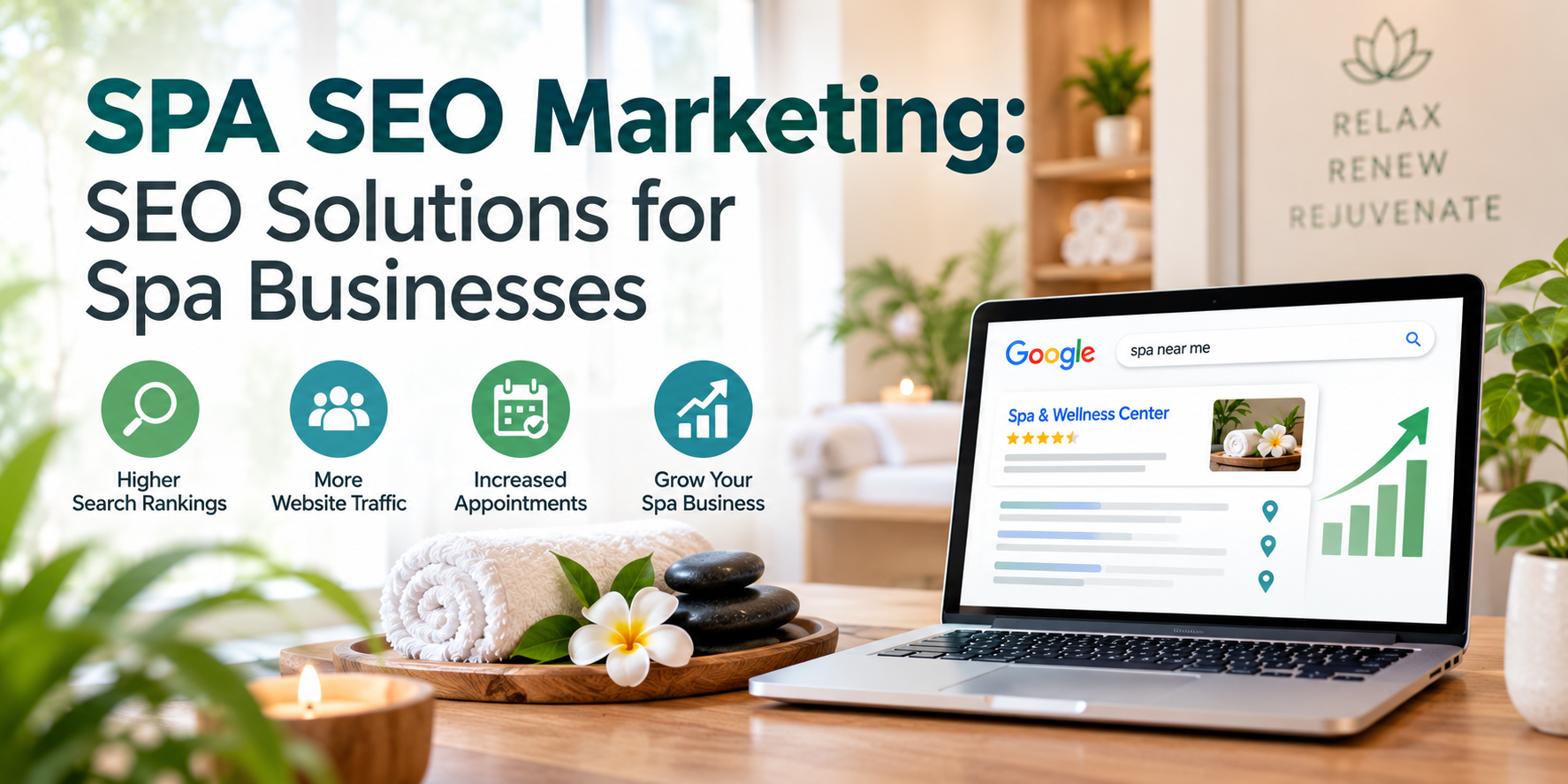
The spa industry is highly competitive, and having a beautiful website is no longer enough to attract a steady stream of clients. People increasingly search online before choosing a spa, comparing services, reading reviews, checking locations, and looking for special offers. If your business does not appear prominently when potential customers search for relevant services, you may lose bookings to competitors that have a stronger online presence.
This is where a strategic SEO approach can make a meaningful difference. Effective search engine optimization helps spa businesses reach people who are already looking for massages, facials, wellness treatments, skincare services, and other experiences. With the right strategy, your website can become a reliable source of qualified traffic and new appointment opportunities.
Most customers begin their search online. A person interested in a relaxing massage may search for terms such as “best massage spa near me,” “facial treatment in [city],” or “day spa services.” Search results provide users with several choices, and businesses appearing on the first page have a better opportunity to capture attention.
SPA SEO Marketing focuses on improving a spa website’s visibility for searches that are relevant to its services and target audience. Instead of relying entirely on paid advertising, businesses can build sustainable organic visibility through well-planned content, technical improvements, local optimization, and authority-building activities.
SEO also helps attract more targeted visitors. Someone searching specifically for a particular treatment is more likely to become a customer than someone who simply comes across a general advertisement.
A successful SEO campaign should address several areas of your online presence. Each component contributes to making your website more useful to both search engines and potential customers.
Keyword research helps identify what your potential customers are actually searching for. For a spa business, relevant terms may include massage therapy, body treatments, luxury spa services, facial treatments, couples massage, wellness packages, and location-based searches.
The goal is not simply to use keywords repeatedly. Instead, they should be incorporated naturally into service pages, blog articles, headings, page titles, and other relevant website elements.
Local visibility is particularly important for spas because most customers prefer businesses they can conveniently visit. Optimizing your Google Business Profile, maintaining consistent business information, gathering genuine customer reviews, and creating location-focused website content can help strengthen local search presence.
Location-specific landing pages can also be useful when a spa serves multiple areas. Each page should provide genuinely useful information rather than simply repeating the same content with different city names.
Every major spa service should have a dedicated, informative page. A massage page, for example, can explain the treatment, benefits, duration, preparation tips, pricing information where appropriate, and who may find the service suitable.
Well-structured service pages make it easier for visitors to understand what you offer and give search engines clearer information about your business.
Blogging can support both SEO and customer education. Spa businesses can publish articles answering common questions about skincare, massage treatments, wellness routines, relaxation techniques, and treatment preparation.
Useful content can attract people earlier in their buying journey. Someone researching the benefits of a particular facial may later decide to book that treatment after finding helpful information on your website.
Many spa searches happen on smartphones. A website that loads slowly, has difficult navigation, or makes booking difficult on mobile devices can result in lost customers.
Your website should have clear navigation, readable text, fast-loading pages, accessible contact information, and an easy appointment process. The booking journey should require as few unnecessary steps as possible.
SEO is not only about rankings. It is also about creating confidence.
Potential clients want to know that they are choosing a professional and trustworthy spa. Your website can support this by clearly presenting therapist or practitioner information where relevant, treatment details, customer testimonials, frequently asked questions, policies, contact information, and authentic photographs.
Reviews are another important trust signal. Encouraging satisfied customers to leave honest reviews can help strengthen your local presence while giving prospective clients additional confidence.
A strong SPA SEO Marketing strategy therefore combines search visibility with a high-quality customer experience. Getting someone to your website is only the first step; the site must then provide enough information and credibility to encourage action.
Technical SEO provides the foundation for your website’s search performance. Search engines need to be able to crawl and understand your pages efficiently.
Important areas include page speed, secure HTTPS implementation, logical website architecture, internal linking, metadata, image optimization, mobile usability, broken-link management, and appropriate structured data.
Technical improvements can also enhance the user experience. A faster website makes it easier for visitors to browse treatments and move toward booking an appointment.
SEO should be treated as an ongoing process rather than a one-time task. Tracking performance allows spa owners to understand which strategies are producing results.
Important metrics can include organic traffic, keyword rankings, local search visibility, engagement, service-page visits, phone calls, booking requests, and conversions. Looking beyond traffic is especially important because a large number of visitors does not necessarily mean more customers.
A well-managed SPA SEO Marketing campaign focuses on attracting relevant visitors and helping those visitors take meaningful actions.
Search visibility usually develops over time. Consistent publishing, technical maintenance, local optimization, quality content, and authority-building efforts can gradually strengthen a website’s presence.
Unlike short-term promotional campaigns, SEO can continue generating traffic after individual pieces of content have been published. However, search algorithms, customer behavior, competitors, and industry trends change, so your strategy should be reviewed and updated regularly.
For spa businesses, the best approach is to combine SEO with a website that communicates quality, professionalism, and convenience. When these elements work together, your online presence can support both brand awareness and appointment growth.
What is SEO for spa businesses?
SEO for spa businesses involves improving a spa’s website and online presence so that it can appear more prominently for relevant searches. It can include keyword research, local SEO, content creation, technical optimization, service-page improvements, and reputation management.
How long does spa SEO take to produce results?
The timeline varies depending on competition, website condition, location, content quality, and the strategy being implemented. Some improvements may produce early gains, while stronger organic visibility generally requires consistent effort over several months.
Is local SEO important for a spa?
Yes. Spas primarily serve customers within specific geographic areas, making local search visibility especially valuable. Optimizing local business information and creating location-relevant content can help potential customers find your business when they are actively searching for nearby services.
Can blogging help a spa website rank?
Yes. Helpful blog content can target informational searches, answer customer questions, support internal linking, and demonstrate expertise. The content should be genuinely useful rather than created solely to insert keywords.
What makes an effective SEO strategy for a spa?
An effective SPA SEO Marketing strategy combines keyword targeting, local SEO, optimized service pages, useful content, technical website improvements, mobile usability, reputation signals, and ongoing performance measurement.
How can I get professional SEO assistance for my spa?
If you need help developing and managing an SEO strategy tailored to your spa business, you can contact us to discuss your goals, website, target market, and growth priorities.
A spa business needs more than attractive branding to compete in today’s search-driven marketplace. Potential customers need to find your services easily, understand what you offer, trust your business, and have a convenient way to make an appointment.
With a focused SPA SEO Marketing strategy, spa businesses can build stronger online visibility, reach more relevant customers, and create a digital presence that supports long-term growth. The key is to focus on useful content, local relevance, technical quality, and a smooth customer journey rather than chasing rankings alone.