

SPA SEO Marketing Strategies for Multi-Service Wellness Spas
Sep 25, 2026


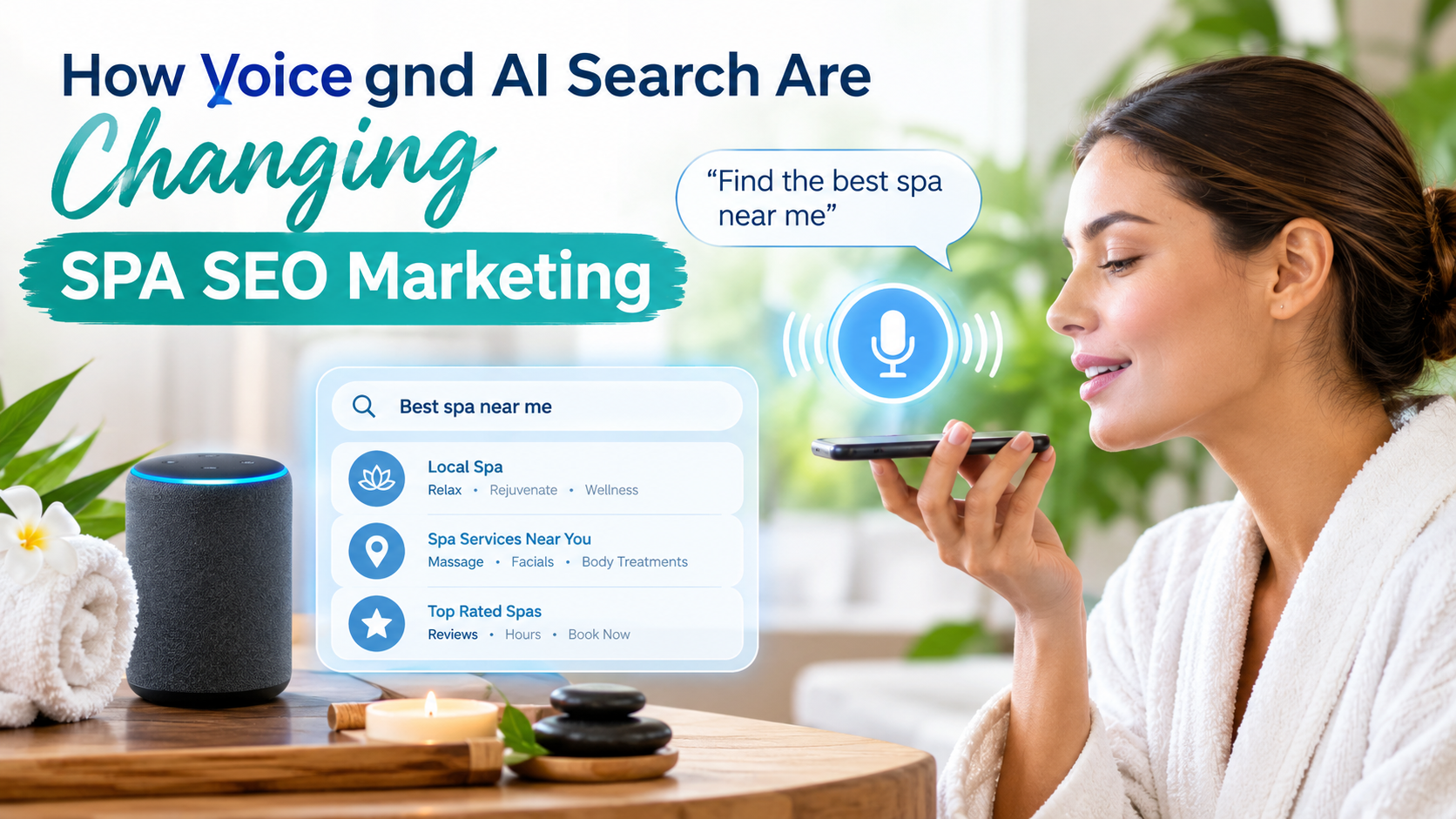
The way people search for wellness services is changing rapidly. Instead of typing short phrases into a search engine, potential spa clients are increasingly asking complete questions through smartphones, smart speakers, and AI-powered search platforms. Someone looking for a nearby massage, facial, or wellness treatment may now ask, “Which spa offers a relaxing deep-tissue massage near me?” rather than simply searching for “massage spa near me.”
This shift is creating new opportunities for spa businesses that understand how modern search behavior works. Traditional keyword-focused strategies still matter, but businesses now need content that responds naturally to conversational questions, provides useful information, and demonstrates relevance to users. This is where SPA SEO Marketing is becoming increasingly important for businesses that want to remain visible as search technology evolves.
Voice search has changed the way consumers interact with search engines. People tend to speak differently from the way they type. A typed search might be “best facial spa Delhi,” while a voice search could be, “Where can I get a good facial near me this weekend?”
These longer, conversational searches give spa businesses valuable insight into what potential customers actually want to know. Content should therefore address natural questions related to treatments, pricing, availability, locations, benefits, preparation, and aftercare.
For example, a spa website can create useful content around questions such as “What should I expect during a Swedish massage?” or “How long does a spa facial take?” Answering these questions clearly can help a website become more relevant for voice-based searches.
Voice assistants and AI search systems are designed to understand meaning and context rather than simply matching individual keywords. As a result, content written solely around repetitive keyword placement may not provide the same value it once did.
A stronger SPA SEO Marketing strategy focuses on natural language. Instead of creating separate pages filled with variations of the same keyword, spa businesses can develop helpful content that directly answers customer concerns.
This means writing in a conversational but professional tone. Headings can be structured around common questions, while paragraphs should provide direct and complete answers. When information is easy to understand, both users and search systems can better identify the purpose and relevance of the content.
AI-powered search is another major development affecting digital visibility. Search platforms are increasingly capable of summarizing information, comparing businesses, answering questions, and recommending relevant services.
For spa owners, this means simply ranking for traditional search terms may no longer be the only objective. Businesses also need accurate, trustworthy, and well-organized information across their websites.
Business details such as treatment descriptions, service areas, operating hours, contact information, FAQs, and appointment options should be clear and consistent. Strong content gives AI systems more useful information to understand what a spa offers and which customers it serves.
One of the most effective ways to prepare for voice and AI search is to build content around real customer questions. Think about what someone would ask before booking an appointment.
A potential client may want to know which massage is best for muscle tension, whether a facial is suitable for sensitive skin, how frequently they should visit a spa, or what treatment is appropriate before a special event.
These questions can become blog topics, FAQ sections, service-page content, and location-specific resources. By answering them thoroughly, a spa website can become a useful source of information instead of simply acting as an online brochure.
Businesses can use SPA SEO Marketing to connect informational content with commercial intent. Someone may first search for advice about choosing a facial and later decide to book that treatment. Helpful content can support the customer throughout this journey.
Voice searches frequently have local intent. People often ask for businesses that are nearby, open at a particular time, or suitable for a specific need.
This makes local SEO an important part of a modern spa marketing strategy. Spa businesses should maintain accurate business information, create location-relevant website content, and clearly mention the areas they serve.
Location pages can also be useful when they provide genuine value. Instead of simply repeating a city name, a good location page can explain available treatments, nearby service areas, appointment information, and what makes the spa suitable for local customers.
Although content is increasingly conversational, technical website performance remains important. Search engines and AI systems need to access, understand, and interpret website information efficiently.
A spa website should have a logical structure, descriptive page titles, clear headings, mobile-friendly design, fast loading times, and properly organized service information. Structured data can also help search engines understand details about a local business, services, reviews, and other relevant information when implemented appropriately.
Technical quality and useful content work together. One cannot fully replace the other.
AI search places greater importance on useful and credible information. Spa businesses should avoid making exaggerated claims and should provide clear descriptions of their treatments and services.
Customer reviews, professional service descriptions, transparent policies, FAQs, and accurate business details can all contribute to a stronger online presence. Trust is especially important in the wellness industry because customers want to feel confident before choosing a service provider.
A well-planned SPA SEO Marketing approach therefore goes beyond rankings. It helps businesses build an online resource that answers questions, communicates expertise, and makes the booking process easier.
Voice search and AI-powered discovery are not replacing traditional search overnight. Instead, they are expanding the ways customers find and evaluate businesses. Spa brands that adapt early can position their websites to serve both traditional search users and people using conversational or AI-driven platforms.
The most effective approach is to focus on the fundamentals: useful content, clear service information, local relevance, technical accessibility, natural language, and a strong user experience. If your business needs a strategy tailored to modern search behavior, you can visit SPA SEO Marketing for more information.
Voice search allows potential customers to find services using natural, conversational questions. Optimizing content around these questions can help a spa become more relevant for searches involving treatments, locations, availability, and customer needs.
How does AI search affect spa websites?
AI search systems can interpret website information and use it when answering customer questions or providing recommendations. Clear, accurate, comprehensive content can make it easier for these systems to understand a spa’s services and expertise.
Should spa businesses still use traditional SEO?
Yes. Traditional SEO remains important. However, businesses should combine keyword research with conversational content, local SEO, technical quality, and useful answers to customer questions.
What type of content works well for voice search?
Question-based content, FAQs, service explanations, local information, and concise answers to common customer concerns can work well for conversational searches.
How can a spa prepare for AI-driven search?
Start by keeping business information accurate, creating genuinely useful content, answering customer questions, strengthening local visibility, improving website usability, and maintaining strong technical SEO practices.
Can SEO help turn voice searches into spa appointments?
Yes. When search visibility connects with informative service pages, clear calls to action, easy navigation, and convenient booking options, visitors who discover a spa through search have a clearer path toward making an appointment.
Search behavior is becoming more conversational, contextual, and AI-driven. For spa businesses, this creates an opportunity to communicate with potential customers in a more natural and helpful way. Instead of focusing exclusively on traditional search rankings, brands should create content that answers genuine questions and provides useful information at every stage of the customer journey.
With the right SPA SEO Marketing strategy, a spa business can build stronger visibility across traditional search, voice queries, and emerging AI-powered discovery experiences. The goal is not simply to appear in search results, but to become a credible and useful choice when someone is ready to find a spa and book a service.